
How to Avoid Joint Leakage in GRP Pipe Systems
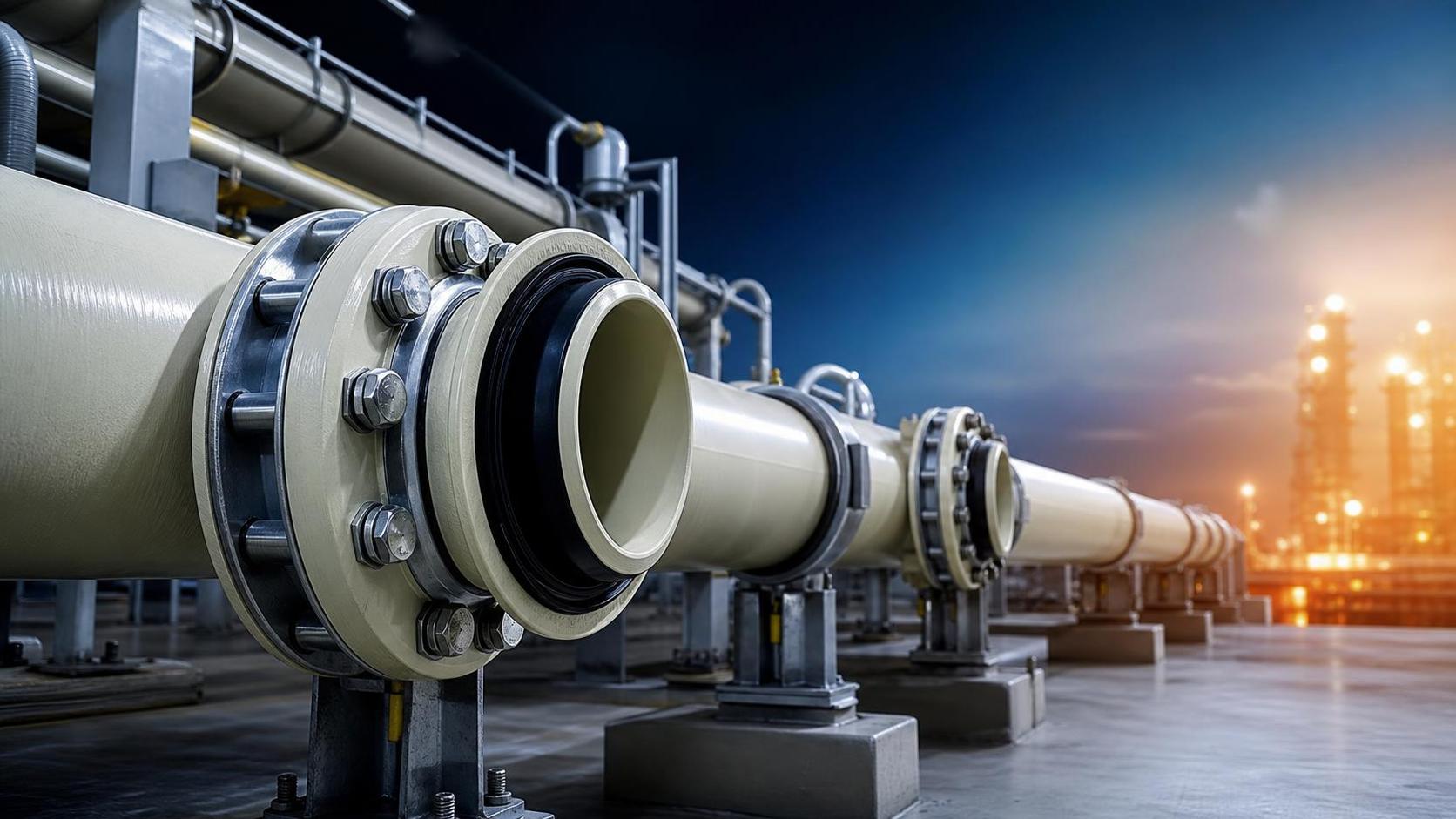
How to Avoid Joint Leakage in GRP Pipe Systems
Joint leakage can seriously affect safety, efficiency, and maintenance costs in oil industry operations.
For GRP Pipe systems, the issue rarely starts with one single mistake.
It usually comes from small gaps in handling, alignment, sealing, or pressure control.
In oil service, those small gaps can quickly grow into shutdowns, product loss, and repeat repairs.
The good news is that most leakage problems in GRP Pipe joints are preventable.
A disciplined approach to installation and inspection makes a measurable difference.
This article breaks down the main causes and the practical steps that reduce leakage risk in daily work.
Why GRP Pipe Joint Leakage Happens
Most GRP Pipe joint failures are linked to installation quality rather than pipe body failure.
That is an important distinction because it points directly to controllable field practices.
Common root causes
- Poor socket and spigot cleaning before assembly.
- Damaged, twisted, or contaminated sealing rings.
- Excessive angular deflection at the joint.
- Uneven pipe support that creates local stress.
- Incorrect insertion depth during joining.
- Pressure surges beyond the design operating range.
- Chemical or temperature conditions outside specification.
In practice, leakage often appears after startup, hydrotest, or the first pressure fluctuation.
That timing usually signals an assembly or support problem, not random material behavior.
Start with Correct Joint Preparation
Leak prevention starts before the joint is pushed together.
If preparation is rushed, even a high-quality GRP Pipe system can underperform.
Clean every sealing surface
Dust, sand, oil, and cured resin fragments can interrupt sealing contact.
Wipe the spigot, socket, and gasket groove carefully before installation.
Do not assume factory-clean surfaces remain clean after transport or storage.
Check the gasket condition
Inspect every sealing ring for cuts, flattening, aging, or uneven shape.
A damaged gasket should never be reused to save time.
That shortcut usually leads to a second shutdown and higher cost.
Use the right lubricant
Approved lubricant reduces gasket rolling and helps achieve proper insertion.
Using the wrong product can swell elastomers or attract contamination.
Follow the joint supplier’s recommendation instead of using general grease.
Control Alignment During Assembly
Good alignment is one of the most effective ways to avoid GRP Pipe leakage.
When pipe ends are forced together at an angle, the sealing ring compresses unevenly.
That creates a weak point, especially during pressure cycling.
Key alignment practices
- Support both pipe ends evenly before joining.
- Use guide marks to confirm straight insertion.
- Measure insertion depth against the reference line.
- Keep angular deflection within the allowed joint limit.
- Avoid hammering or uneven pushing methods.
This matters even more on long runs, buried lines, and skid-mounted oil process systems.
Slight misalignment at one joint can transfer stress to the next connection.
Match the Joint Design to Service Conditions
Not every GRP Pipe joint suits every oil industry application.
Temperature, pressure, chemicals, and movement loads all influence sealing performance.
For example, marine and offshore piping often faces vibration, salt exposure, and tight routing.
In those cases, selecting a purpose-built solution becomes more important.
A product such as GRE Pipe for Marine & Offshore is designed for demanding service environments where joint reliability is critical.
Questions to confirm before installation
- Is the pressure class suitable for normal and surge conditions?
- Is the resin system compatible with the conveyed medium?
- Are the seals rated for the actual temperature range?
- Will the line experience vibration or repeated movement?
- Are thrust restraints needed at bends and reducers?
When these questions are skipped, leakage risk usually shows up later in commissioning.
Pay Attention to Pipe Support and Restraint
A well-made joint can still leak if the line is poorly supported.
GRP Pipe performs best when loads are distributed as intended by the design.
Support issues that trigger leakage
- Support spacing wider than recommended.
- Point loading from hard or narrow saddles.
- Lack of anchors near fittings and direction changes.
- Settlement under buried or partially buried lines.
- Thermal expansion loads without proper allowance.
In oil facilities, pumps and valves can also introduce vibration into connected GRP Pipe runs.
That vibration may not break the pipe immediately, but it can weaken joint sealing over time.
Test the System the Right Way
Pressure testing is not only a final check.
It is also a way to catch joint problems before the line enters regular service.
Best practices for leak-free commissioning
- Follow the approved hydrotest procedure for the specific GRP Pipe system.
- Increase pressure gradually instead of applying it too fast.
- Vent trapped air fully before reaching test pressure.
- Inspect each joint visually during hold periods.
- Record any pressure drop and locate its actual cause.
Air left in the line can distort test readings and create sudden local loading.
That makes leak diagnosis harder and can hide weak joints until operation begins.
Build Routine Inspection into Daily Work
Leakage prevention does not end after startup.
Routine checks help catch small warning signs before a GRP Pipe joint begins to fail.
What to watch during operation
- Moisture traces or salt deposits around joints.
- Unexpected support movement or looseness.
- Pressure fluctuation outside the normal range.
- Vibration near pumps, skids, or deck equipment.
- Chemical attack signs on seals or nearby surfaces.
A short inspection checklist often works better than occasional large reviews.
It keeps joint condition visible and supports faster maintenance decisions.
Why Manufacturing Quality Still Matters
Field practice is critical, but consistent manufacturing also affects joint reliability.
Dimensional accuracy, pressure testing, and fitting consistency support better installation outcomes.
Shandong Ocean Pipe Technology Co., Ltd., established in 2012 in Shandong, China, is one of the major GRE pipe manufacturers in the market.
With 16 winding production lines and extensive fitting equipment, the company serves oil and gas, LNG, ship ballast piping, chemical plants, and related sectors.
That production background matters because reliable GRP Pipe systems depend on both product consistency and disciplined site execution.
Practical Checklist to Reduce GRP Pipe Joint Leakage
Final Takeaway
Avoiding joint leakage in a GRP Pipe system is mostly about discipline, not guesswork.
Clean preparation, correct alignment, proper support, and careful testing all work together.
When service conditions are demanding, the right product choice also strengthens long-term sealing performance.
A solution such as GRE Pipe for Marine & Offshore fits applications where durability and joint stability matter every day.
Apply these checks consistently, and GRP Pipe leakage becomes far easier to prevent than to repair.
Please give us a message
产品介绍产品介绍产品介绍产品介绍产品介绍产品介绍产品介绍产品介绍产品介绍产品介绍产品介绍产品介绍产品介绍产品介绍产品介绍产品介绍产品介绍产品介绍产品介绍产品介绍产品介绍产品介绍产品介绍产品介绍产品介绍产品介绍产品介绍产品介绍产品介绍产品介绍
Please give us a message
产品介绍产品介绍产品介绍产品介绍产品介绍产品介绍产品介绍产品介绍产品介绍产品介绍产品介绍产品介绍产品介绍产品介绍产品介绍产品介绍产品介绍产品介绍产品介绍产品介绍产品介绍产品介绍产品介绍产品介绍产品介绍产品介绍产品介绍产品介绍产品介绍产品介绍
Please give us a message
产品介绍产品介绍产品介绍产品介绍产品介绍产品介绍产品介绍产品介绍产品介绍产品介绍产品介绍产品介绍产品介绍产品介绍产品介绍产品介绍产品介绍产品介绍产品介绍产品介绍产品介绍产品介绍产品介绍产品介绍产品介绍产品介绍产品介绍产品介绍产品介绍产品介绍
Please give us a message
产品介绍产品介绍产品介绍产品介绍产品介绍产品介绍产品介绍产品介绍产品介绍产品介绍产品介绍产品介绍产品介绍产品介绍产品介绍产品介绍产品介绍产品介绍产品介绍产品介绍产品介绍产品介绍产品介绍产品介绍产品介绍产品介绍产品介绍产品介绍产品介绍产品介绍