
GRP Pipe Demand Trends in Energy Infrastructure
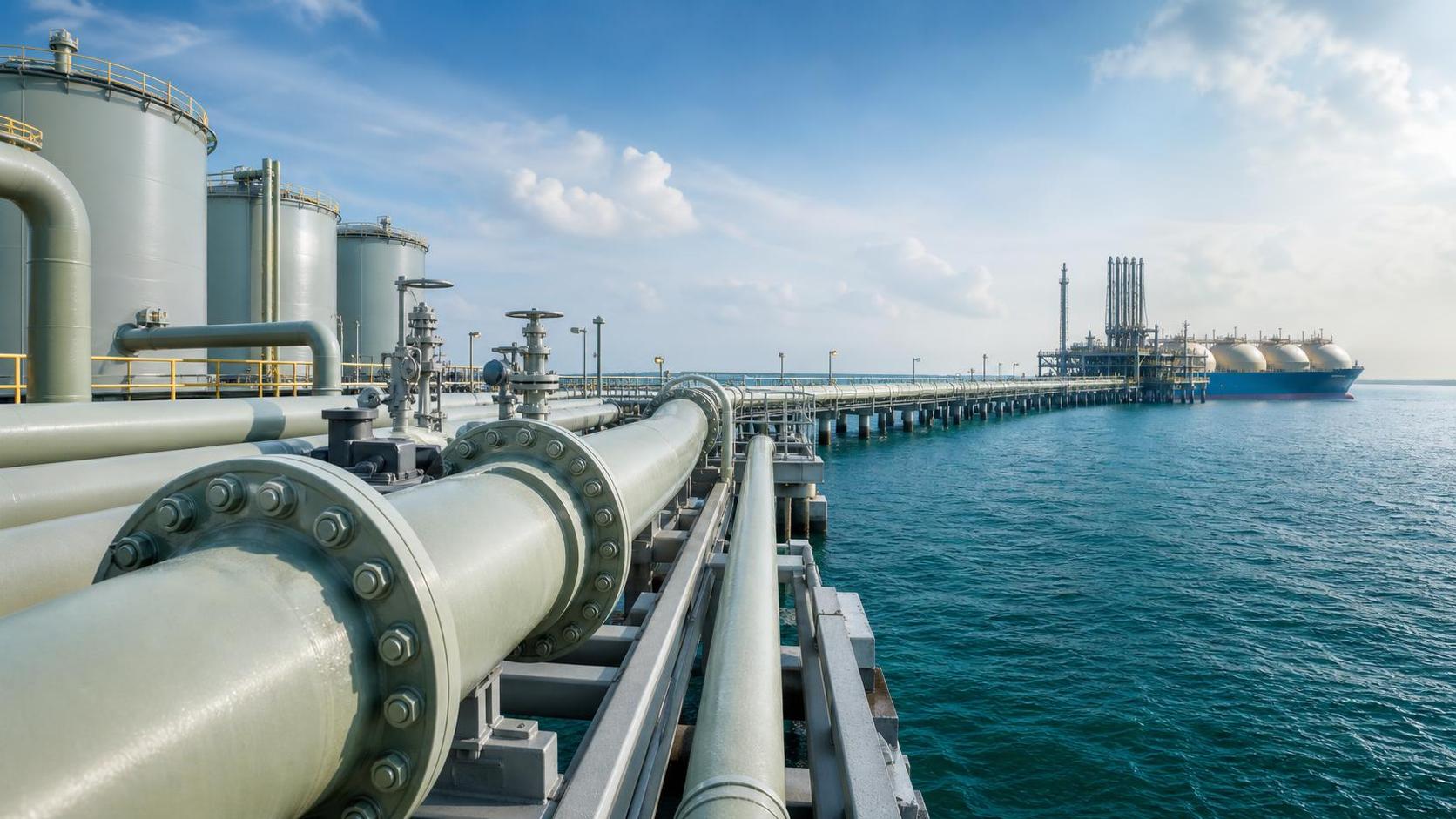
GRP Pipe demand in energy infrastructure is moving from niche selection to mainstream planning. In oil and gas projects, that shift matters because pipeline materials now influence lifecycle cost, installation speed, maintenance exposure, and long-term operating reliability.
As LNG terminals expand, offshore upgrades continue, and corrosive service environments become more common, GRP Pipe is being evaluated more seriously across gathering lines, utility systems, ballast support networks, and industrial process connections.
The market is not growing on interest alone. It is growing because corrosion, weight, and downtime remain expensive problems, especially where steel systems demand frequent protection, inspection, or replacement.
Why GRP Pipe is gaining ground
In practical terms, GRP Pipe refers to glass reinforced plastic piping used where chemical resistance and structural durability need to coexist. In many energy projects, it overlaps with GRE pipe discussions because both belong to the composite piping family.
For oil infrastructure, the appeal is straightforward. Composite pipe can resist internal corrosion, reduce coating dependence, and lower handling loads during transport and installation.
That combination becomes more attractive when operators are balancing capital discipline with stricter uptime expectations. A lighter pipe system can also simplify installation planning in remote sites, offshore modules, and revamp projects with limited lifting capacity.
Another reason demand is strengthening is the broader design mindset in energy construction. Owners increasingly compare total ownership cost rather than base material price alone. That favors piping solutions with longer service intervals and fewer corrosion-related disruptions.
What is driving demand in oil and gas
Several demand signals are shaping procurement decisions across petroleum projects. They are not identical, but they point in the same direction.
- LNG expansion is increasing demand for corrosion-resistant auxiliary and service piping.
- Produced water, seawater, and chemically aggressive media are pushing owners away from conventional metal-only strategies.
- Offshore and coastal projects value lower weight because it affects logistics, installation time, and structural loading.
- Plant modernization programs often need pipe materials that can fit complex retrofits without adding heavy maintenance burdens.
- International projects increasingly prefer suppliers with repeatable quality systems and export experience.
These factors are especially relevant in fields where salt, humidity, chemicals, and temperature variations accelerate asset degradation. In such environments, GRP Pipe is less a trend item and more a risk-control choice.
Where demand is appearing first
Not every line in an energy project shifts to composite material at the same pace. Demand usually starts in systems where corrosion costs are visible and recurring.
The pattern is consistent. Demand first appears where failure costs are measurable, then expands into adjacent systems once project teams gain confidence in installation and performance results.
What the market now expects from suppliers
Demand growth alone does not guarantee a practical supply opportunity. Buyers increasingly screen for manufacturing scale, testing discipline, fitting compatibility, and project reference quality.
That is why production depth matters. Shandong Ocean Pipe Technology Co., Ltd., established in 2012 in Dezhou, Shandong, has built a sizeable GRE manufacturing base with 16 winding production lines and 174 pipe fitting winding machines.
Its factory also includes five static water pressure testing machines and an annual GRE pipe production and testing capacity of 25,000 tons. In current market conditions, that level of capacity supports schedule reliability as much as volume availability.
Experience across oil and gas, ship ballast piping, LNG, chemical plants, hot spring piping, and salt-making applications also signals an important point. Composite pipe demand is no longer limited to one narrow use case.
References from groups such as CNOOC, CNPC, Sinopec, and major shipyards help show that buyers are looking for manufacturers who can perform across different standards, project expectations, and delivery geographies.
A closer look at adjacent marine demand
One useful signal for the wider composite pipe market comes from marine environmental systems. Interest in scrubber-related piping has increased because operators need materials that handle corrosive media without creating a heavy maintenance cycle.
That connection matters to energy infrastructure because offshore petroleum projects often share similar material concerns. A relevant example can be seen here: The application of GRE piping in marine scrubber systems.
This does not mean every oil project should copy marine specifications. It does show how broader corrosion-control experience is reinforcing confidence in composite pipe systems across connected sectors.
How to read GRP Pipe opportunities more accurately
A useful market reading starts with application fit, not headline demand. GRP Pipe performs best when evaluated against fluid characteristics, pressure requirements, joining methods, routing complexity, and maintenance strategy.
Key checks before moving forward
- Confirm the service medium, including salinity, acidity, and chemical content.
- Match pressure class and temperature profile to the intended pipe design.
- Review fitting availability and system integration, not only straight pipe supply.
- Ask for testing capability, production traceability, and reference projects.
- Check export and delivery history for the regions being targeted.
In reality, the strongest GRP Pipe opportunities often come from projects where these checks are completed early. That shortens technical clarification cycles and reduces avoidable delays during bidding or execution.
Why scale and consistency matter more than before
As project portfolios become more international, buyers are less tolerant of inconsistency between qualification samples and delivered batches. Composite piping must arrive with predictable quality, stable dimensions, and dependable testing records.
This is where manufacturing infrastructure becomes commercially relevant. A supplier serving Australia, Iraq, Kazakhstan, Turkey, and domestic flagship projects is operating in a market where documentation, packaging, delivery control, and technical response all matter.
For GRP Pipe, that kind of operating maturity can be as important as product specification. Projects rarely fail because of one brochure promise. They fail when production discipline and field expectations do not align.
What the next phase of demand may look like
The next stage of GRP Pipe demand in energy infrastructure will likely be shaped by three forces: harsher service environments, closer lifecycle cost scrutiny, and broader acceptance of composite systems in mainstream project design.
Oil and gas projects will still compare materials case by case. Even so, the direction is clear. Corrosion resistance, lower handling weight, and scalable manufacturing support are moving from secondary benefits to central decision factors.
A practical next step is to map upcoming projects by service condition, identify lines where corrosion or maintenance is already a known issue, and compare GRP Pipe options against delivery capability, testing strength, and past project fit.
That approach gives a clearer view of where demand is real, where specification alignment is possible, and which supply relationships are positioned to support long-term energy infrastructure work.
Please give us a message
产品介绍产品介绍产品介绍产品介绍产品介绍产品介绍产品介绍产品介绍产品介绍产品介绍产品介绍产品介绍产品介绍产品介绍产品介绍产品介绍产品介绍产品介绍产品介绍产品介绍产品介绍产品介绍产品介绍产品介绍产品介绍产品介绍产品介绍产品介绍产品介绍产品介绍
Please give us a message
产品介绍产品介绍产品介绍产品介绍产品介绍产品介绍产品介绍产品介绍产品介绍产品介绍产品介绍产品介绍产品介绍产品介绍产品介绍产品介绍产品介绍产品介绍产品介绍产品介绍产品介绍产品介绍产品介绍产品介绍产品介绍产品介绍产品介绍产品介绍产品介绍产品介绍
Please give us a message
产品介绍产品介绍产品介绍产品介绍产品介绍产品介绍产品介绍产品介绍产品介绍产品介绍产品介绍产品介绍产品介绍产品介绍产品介绍产品介绍产品介绍产品介绍产品介绍产品介绍产品介绍产品介绍产品介绍产品介绍产品介绍产品介绍产品介绍产品介绍产品介绍产品介绍
Please give us a message
产品介绍产品介绍产品介绍产品介绍产品介绍产品介绍产品介绍产品介绍产品介绍产品介绍产品介绍产品介绍产品介绍产品介绍产品介绍产品介绍产品介绍产品介绍产品介绍产品介绍产品介绍产品介绍产品介绍产品介绍产品介绍产品介绍产品介绍产品介绍产品介绍产品介绍