
GRP Pipe Cost Factors in Large Pipeline Orders
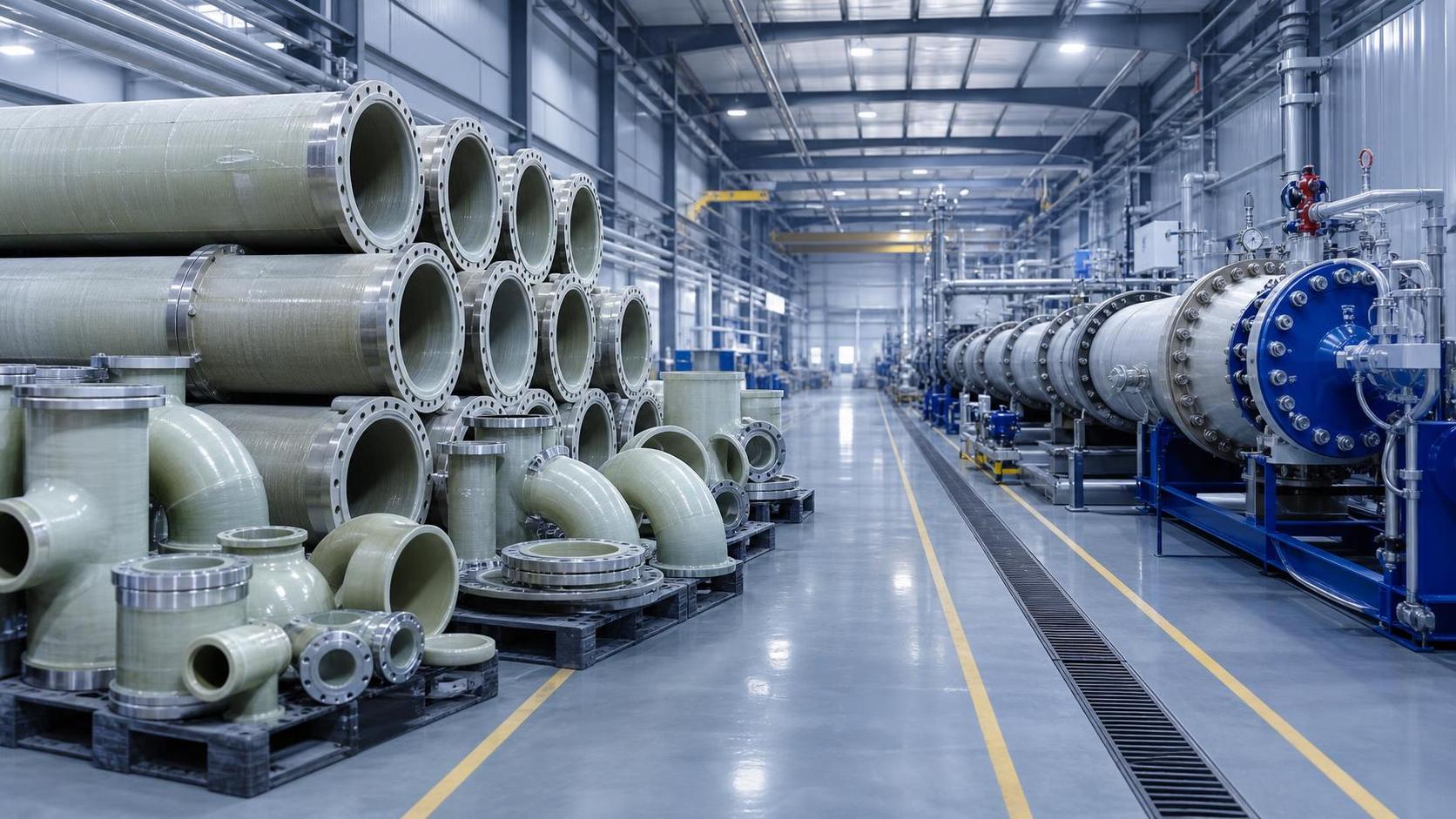
GRP Pipe Cost Factors in Large Pipeline Orders
When evaluating GRP Pipe for large pipeline orders in the oil industry, unit price is only the starting point.
The real decision comes from understanding what shapes total landed cost, project risk, and service life.
In practice, two quotes for GRP Pipe can look close at first, yet lead to very different budgets later.
That gap usually comes from materials, pressure class, pipe diameter, fittings, qualification testing, and supplier production strength.
For oil projects, cost control also depends on delivery reliability, traceability, and stable performance in harsh operating conditions.
A better buying decision comes from looking at the full cost structure before the order is released.
Why GRP Pipe Pricing Varies So Much
Large pipeline packages rarely use a single standard configuration.
Even when the product category is the same, each technical detail can move the final GRP Pipe cost.
Recent market changes make this even more visible, especially when resin prices and freight costs fluctuate.
This means buyers need to compare quotations line by line, not just ton by ton or meter by meter.
- Pipe body materials and resin system
- Pressure rating and wall thickness
- Diameter range and pipe length
- Number and type of fittings
- Testing, certification, and inspection scope
- Packaging, logistics, and delivery schedule
- Supplier capacity and quality consistency
Raw Materials Are the First Major Cost Driver
For GRP Pipe, raw materials shape both price and long-term performance.
The resin system matters most, because it directly affects corrosion resistance, temperature tolerance, and mechanical strength.
In oil applications, buyers often compare general fiberglass pipe with GRE pipe options.
Epoxy-based systems usually cost more, but they often perform better under pressure and chemical exposure.
Glass fiber grade also changes the equation.
Higher-quality fiber can improve structural strength and reduce the risk of early failure.
A lower quote may simply reflect lower-grade resin or reinforcement, which can create bigger lifecycle costs later.
Pressure Class and Wall Design Affect Budget Fast
Pressure class is one of the quickest ways GRP Pipe pricing moves upward.
Higher pressure ratings require more reinforcement, tighter process control, and stricter testing.
That adds material consumption, labor time, and quality assurance cost.
The same happens when safety factors are conservative or when project specifications exceed standard practice.
In actual purchasing work, over-specifying a line can quietly inflate the budget without adding meaningful operational value.
A careful review of design pressure, surge conditions, and operating temperature often reveals where cost can be optimized.
Pipe Size, Quantity, and Fittings Change the Real Total
Many buyers focus on straight pipe, but fittings often change the final numbers more than expected.
Large diameters require more raw material and more careful handling during production and transport.
Short production runs can also increase the unit cost of GRP Pipe, especially for mixed sizes.
Fittings add another layer.
Elbows, tees, reducers, flanges, and custom spools usually cost more per piece than straight pipe.
They also require tighter dimensional control and more inspection.
If a quotation looks attractive, check whether all fittings, joint systems, and accessories are fully included.
Testing Standards and Compliance Are Never Free
Testing and certification are often treated as background items, yet they have a clear impact on cost.
Hydrostatic testing, dimensional checks, raw material traceability, and third-party inspection all add time and expense.
Still, these items protect the project from rework, claims, and installation delays.
That is why a low-cost GRP Pipe package without clear quality documentation can become an expensive mistake.
For oil projects, the more useful question is not whether testing costs money.
The real question is whether the quoted testing scope matches the project risk and contract requirements.
Production Capacity Can Reduce Hidden Procurement Risk
Supplier capacity directly affects schedule confidence in large GRP Pipe orders.
A factory may offer a competitive price, but limited equipment can create delivery pressure later.
This becomes more obvious when the project includes multiple diameters, fittings, and urgent milestones.
Shandong Ocean Pipe Technology Co., Ltd., established in 2012 in Shandong, China, shows why capacity matters.
The company operates 16 winding production lines and 174 sets of pipe fitting winding machines and micro control systems.
It also has 5 static water pressure testing machines and an annual GRE pipe production and testing capacity of 25,000 tons.
For buyers, this kind of manufacturing base can help stabilize lead time, quality consistency, and order coordination.
It also supports projects across oil and gas, LNG, ship ballast piping, chemical plants, hot spring systems, and salt production.
Freight, Packaging, and Delivery Terms Need More Attention
Freight is often underestimated in GRP Pipe sourcing, especially for overseas projects or remote sites.
Pipe length, diameter, nesting method, and packaging design all influence container efficiency and transport cost.
Incoterms also matter.
A lower ex-works price may not remain lower after inland transport, export packing, port handling, and marine freight are added.
It is worth asking suppliers to break out logistics assumptions instead of hiding them inside broad totals.
How to Compare GRP Pipe Quotes More Accurately
The cleanest way to compare GRP Pipe offers is to normalize every technical and commercial item.
This avoids the common problem of comparing a complete package with a partial one.
- Confirm resin type, fiber specification, and pressure class.
- Check whether fittings, gaskets, flanges, and joint kits are included.
- Review testing scope, standards, and third-party inspection needs.
- Compare delivery terms, packaging method, and destination charges.
- Validate production lead time against project milestones.
- Assess supplier references in oil, gas, or related industrial applications.
This process usually reveals which quotation is truly competitive and which one only appears cheaper.
Looking Beyond Price Toward Project Value
Cost matters, but total project value matters more.
For some applications, a product such as GRE Pipe for Municipal Project may show how fiberglass piping solutions can be adapted for different service environments.
Even so, oil industry decisions should stay focused on operating conditions, compliance, and long-term reliability.
A well-priced GRP Pipe order is one that arrives on time, installs smoothly, and performs as expected for years.
That usually comes from balancing material quality, manufacturing capability, testing discipline, and commercial clarity.
Before placing the next large pipeline order, review the full cost map instead of the headline quote.
That approach makes GRP Pipe sourcing more predictable, more defensible, and easier to manage across the whole project cycle.
Start with a technical checklist, align it with delivery terms, and negotiate from a complete cost picture.
Please give us a message
产品介绍产品介绍产品介绍产品介绍产品介绍产品介绍产品介绍产品介绍产品介绍产品介绍产品介绍产品介绍产品介绍产品介绍产品介绍产品介绍产品介绍产品介绍产品介绍产品介绍产品介绍产品介绍产品介绍产品介绍产品介绍产品介绍产品介绍产品介绍产品介绍产品介绍
Please give us a message
产品介绍产品介绍产品介绍产品介绍产品介绍产品介绍产品介绍产品介绍产品介绍产品介绍产品介绍产品介绍产品介绍产品介绍产品介绍产品介绍产品介绍产品介绍产品介绍产品介绍产品介绍产品介绍产品介绍产品介绍产品介绍产品介绍产品介绍产品介绍产品介绍产品介绍
Please give us a message
产品介绍产品介绍产品介绍产品介绍产品介绍产品介绍产品介绍产品介绍产品介绍产品介绍产品介绍产品介绍产品介绍产品介绍产品介绍产品介绍产品介绍产品介绍产品介绍产品介绍产品介绍产品介绍产品介绍产品介绍产品介绍产品介绍产品介绍产品介绍产品介绍产品介绍
Please give us a message
产品介绍产品介绍产品介绍产品介绍产品介绍产品介绍产品介绍产品介绍产品介绍产品介绍产品介绍产品介绍产品介绍产品介绍产品介绍产品介绍产品介绍产品介绍产品介绍产品介绍产品介绍产品介绍产品介绍产品介绍产品介绍产品介绍产品介绍产品介绍产品介绍产品介绍