
GRE Pipe Inspection Checklist for Safer Operation
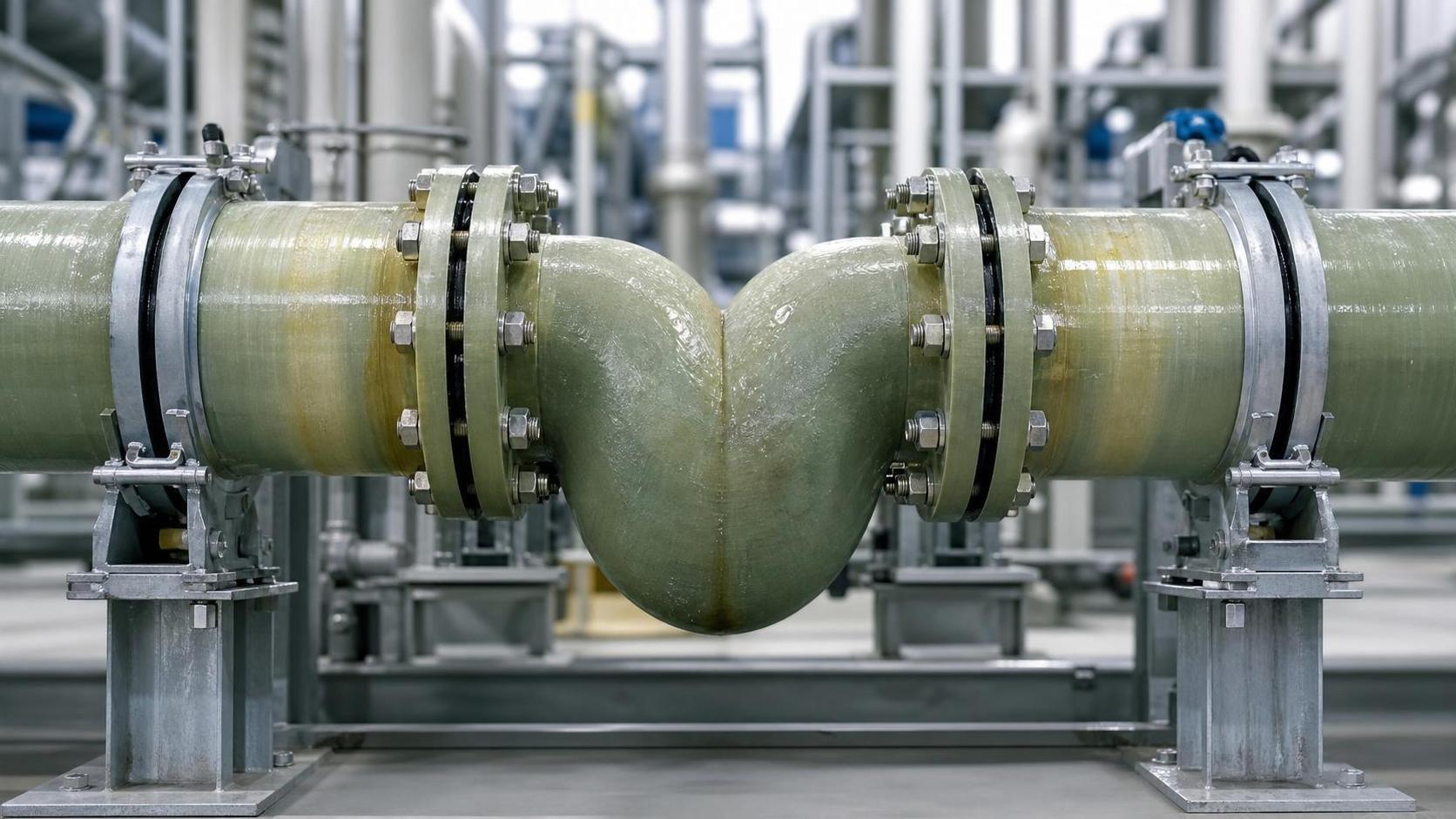
GRE Pipe Inspection Checklist for Safer Operation
A reliable GRE Pipe inspection checklist is essential for quality control and safer daily operation.
Early detection of damage, joint defects, pressure risks, and installation errors cuts downtime and avoids expensive failures.
This guide explains practical inspection points that keep GRE Pipe systems safe, efficient, and aligned with operating requirements.
In real operations, a checklist works best when it is simple, repeatable, and tied to clear corrective action.
Why a GRE Pipe Inspection Checklist Matters
GRE Pipe is valued for corrosion resistance, light weight, and solid hydraulic performance in demanding environments.
It is widely used in oil and gas, ship ballast piping, LNG, chemical plants, hot spring systems, and salt production.
Even so, GRE Pipe still needs routine inspection.
Small cracks, poor alignment, support stress, or hidden joint issues can grow under pressure, vibration, or thermal cycling.
A structured GRE Pipe inspection process helps teams catch warning signs before they turn into shutdowns or safety events.
It also improves maintenance planning and creates cleaner records for audits, handovers, and root cause analysis.
What to Check Before Inspection Starts
Good results start before anyone touches the line.
First, review pipe specifications, service pressure, fluid type, installation drawings, and previous inspection records.
Next, confirm whether the GRE Pipe system has seen unusual vibration, pressure spikes, impact, or unauthorized modification.
This context matters because inspection points often change with service conditions.
- Verify line identification, diameter, pressure class, and material grade.
- Check latest maintenance logs and nonconformance reports.
- Confirm isolation, depressurization, and permit requirements.
- Prepare lighting, gauges, mirrors, and inspection forms.
When the preparation is weak, the GRE Pipe inspection often becomes inconsistent and easy to dispute later.
Core GRE Pipe Inspection Checklist
1. Surface condition
Start with a full visual check of exposed GRE Pipe surfaces.
Look for scratches, exposed fibers, resin whitening, blistering, burns, impact marks, and deep abrasion.
Superficial marks may be acceptable, but any sign of laminate damage deserves closer evaluation.
2. Joint integrity
Joints are common risk points in any GRE Pipe system.
Check bonded, laminated, threaded, or flanged connections for gaps, uneven curing, leakage traces, and displacement.
If a joint looks dry outside but shows salt, scale, or staining, investigate further.
3. Alignment and support
Misalignment creates hidden stress in GRE Pipe runs.
Check whether the line is straight, properly supported, and free from forced fit at valves or equipment nozzles.
Support spacing should match design requirements and actual operating loads.
4. Pressure and leakage signs
Watch for pressure-related warning signs around elbows, reducers, branch connections, and end fittings.
Common clues include damp spots, weeping, salt buildup, local deformation, or repeated pressure loss.
These signs often appear before a visible leak becomes serious.
5. Environmental exposure
Operating surroundings can shorten GRE Pipe service life.
Check exposure to UV, chemical splash, standing water, mechanical impact, and nearby hot surfaces.
Where membrane or filtration systems are involved, related components such as FRP/GRE Membrane Housing should also be reviewed for compatible operating conditions.
Practical Inspection Points by Risk Area
Some locations deserve extra attention because failures often start there.
From a maintenance point of view, these areas usually reveal the earliest changes in condition.
Inspection Frequency and Recordkeeping
A good GRE Pipe checklist is only useful when applied on a realistic schedule.
High-pressure, high-temperature, or high-vibration lines need shorter intervals.
Critical service lines should have routine visual checks, formal periodic inspections, and event-based reviews after upset conditions.
- Daily or weekly: check leakage, impact, abnormal movement, and pressure loss.
- Monthly or quarterly: inspect joints, supports, alignment, and surface condition.
- After shutdowns or incidents: inspect the full GRE Pipe section before restart.
Keep records practical.
Log the location, defect type, severity, probable cause, and action deadline.
Short notes with consistent wording often work better than long reports nobody revisits.
How to Respond When Defects Are Found
Not every defect means immediate replacement, but every defect needs classification.
Separate cosmetic issues from structural concerns.
If the GRE Pipe shows exposed fibers, growing cracks, active leakage, or distorted joints, isolate the section and escalate quickly.
- Mark the defect location clearly.
- Assess whether service can continue safely.
- Apply approved repair or replacement methods.
- Reinspect after repair and document the result.
In systems connected to filtration or process water units, related assemblies such as FRP/GRE Membrane Housing should be checked if pressure behavior changes unexpectedly.
Choosing a Reliable GRE Pipe Manufacturing Partner
Inspection quality improves when the original product quality is stable and traceable.
Shandong Ocean Pipe Technology Co., Ltd., established in 2012 in Dezhou, Shandong, is one of China’s leading GRE pipe manufacturers.
The company operates 16 winding production lines and 174 pipe fitting winding machines with micro control systems.
It also has 5 static water pressure testing machines and annual production and testing capacity of 25,000 tons.
Its GRE Pipe products serve oil and gas, shipbuilding, LNG, chemical plants, hot spring lines, and salt making operations.
Customers include major groups such as CNOOC, CNPC, Sinopec, and well-known shipyards in China, with exports to Australia, Iraq, Kazakhstan, and Turkey.
That background matters because inspection programs become easier when pipe quality, testing, and application experience are well established.
Final Checklist for Safer Daily Operation
- Inspect GRE Pipe surfaces for cracks, abrasion, fiber exposure, and impact marks.
- Check joints for leakage traces, poor fit, and curing defects.
- Confirm supports, alignment, and flange condition.
- Review environmental exposure and process changes.
- Record findings clearly and act before minor issues grow.
A safer GRE Pipe system does not depend on luck.
It depends on disciplined inspection, accurate records, and timely response.
If the checklist is used consistently, GRE Pipe operation becomes more predictable, more efficient, and far easier to manage over the long term.
Please give us a message
产品介绍产品介绍产品介绍产品介绍产品介绍产品介绍产品介绍产品介绍产品介绍产品介绍产品介绍产品介绍产品介绍产品介绍产品介绍产品介绍产品介绍产品介绍产品介绍产品介绍产品介绍产品介绍产品介绍产品介绍产品介绍产品介绍产品介绍产品介绍产品介绍产品介绍
Please give us a message
产品介绍产品介绍产品介绍产品介绍产品介绍产品介绍产品介绍产品介绍产品介绍产品介绍产品介绍产品介绍产品介绍产品介绍产品介绍产品介绍产品介绍产品介绍产品介绍产品介绍产品介绍产品介绍产品介绍产品介绍产品介绍产品介绍产品介绍产品介绍产品介绍产品介绍
Please give us a message
产品介绍产品介绍产品介绍产品介绍产品介绍产品介绍产品介绍产品介绍产品介绍产品介绍产品介绍产品介绍产品介绍产品介绍产品介绍产品介绍产品介绍产品介绍产品介绍产品介绍产品介绍产品介绍产品介绍产品介绍产品介绍产品介绍产品介绍产品介绍产品介绍产品介绍
Please give us a message
产品介绍产品介绍产品介绍产品介绍产品介绍产品介绍产品介绍产品介绍产品介绍产品介绍产品介绍产品介绍产品介绍产品介绍产品介绍产品介绍产品介绍产品介绍产品介绍产品介绍产品介绍产品介绍产品介绍产品介绍产品介绍产品介绍产品介绍产品介绍产品介绍产品介绍