
Fiberglass Pipe Maintenance: Signs of Damage and Repair Options
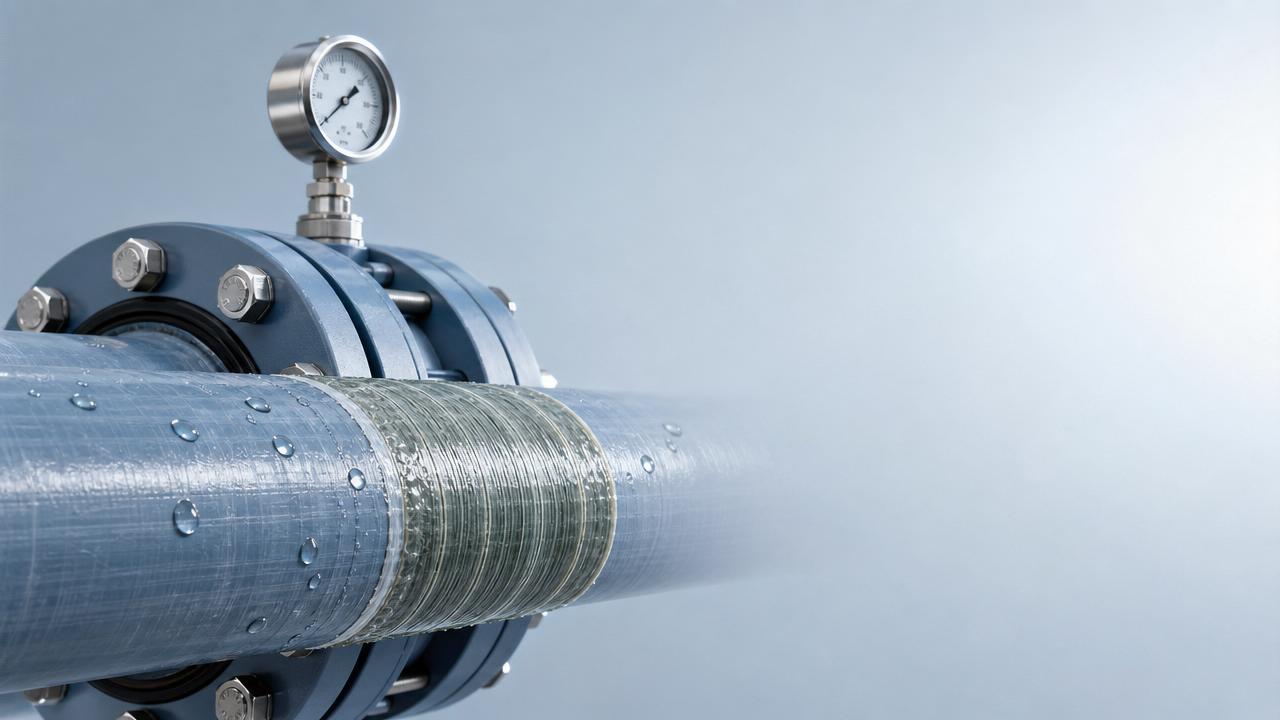
Fiberglass Pipe systems are valued for corrosion resistance, durability, and low maintenance, but harsh service can still cause wear.
Oil, gas, marine, chemical, hot spring, and salt environments may expose pipelines to pressure, vibration, impact, and chemical stress.
For maintenance teams, early diagnosis helps prevent leakage, unplanned shutdowns, safety risks, and expensive replacement work.
This guide explains damage signs, inspection points, repair options, and practical decisions for long-term Fiberglass Pipe maintenance.
What Makes Fiberglass Pipe Maintenance Different?
Fiberglass Pipe is a composite piping material, commonly made with glass fiber reinforcement and resin systems.
In GRE pipe, epoxy resin provides chemical resistance, while glass fibers carry mechanical loads.
This structure differs from steel, stainless steel, thermoplastic, and ceramic-lined pipe.
The main maintenance focus is not general rust, but laminate integrity, joint sealing, abrasion, and stress concentration.
A damaged Fiberglass Pipe may not always show dramatic deformation before leakage appears.
That is why visual checks, pressure monitoring, and joint inspection should be combined.
In glass and ceramic material industries, composite behavior is especially important.
The material is strong, but local damage can reduce performance if ignored.
Which Signs Indicate Fiberglass Pipe Damage?
The most obvious warning sign is visible leakage around joints, fittings, supports, or repaired sections.
Even minor seepage should be treated seriously, especially in chemical or seawater service.
A second sign is surface whitening, cracking, blistering, or fiber exposure.
These symptoms may suggest impact damage, resin degradation, overpressure, or external abrasion.
Unusual noise, vibration, or movement near supports can also indicate stress problems.
Fiberglass Pipe should not be forced to carry excessive bending loads from misaligned supports.
Watch for staining, salt deposits, damp insulation, and changes in flow pressure.
These indirect signs often appear before larger failures become visible.
Common Field Symptoms
- Dripping, sweating, or wet marks around Fiberglass Pipe joints.
- Cracks, chips, gouges, or exposed glass fibers on the surface.
- Bulging, local soft spots, or delamination sounds during tapping.
- Loose supports, abnormal vibration, or repeated gasket failure.
- Pressure loss without clear equipment-side explanation.
Where Should Inspection Start?
Inspection should start with operating history, not only the visible surface.
Check whether the Fiberglass Pipe recently experienced overpressure, water hammer, impact, freezing, or abnormal temperature change.
Then review drawings, pressure ratings, joint types, support spacing, and chemical compatibility.
A pipe section may fail because a nearby fitting or support transferred unexpected stress.
Visual inspection should cover straight pipe, elbows, tees, flanges, reducers, and branch connections.
Pay special attention to areas close to pumps, valves, ship hull structures, and thermal expansion points.
For marine scrubber systems, corrosive exhaust wash water can challenge ordinary metallic piping.
Related design ideas can be found in The application of GRE piping in marine scrubber systems.
Recommended Inspection Sequence
- Record system pressure, medium, temperature, and recent operating events.
- Inspect leakage points, surface condition, and joint areas.
- Check support spacing, clamp condition, and pipe movement.
- Review chemical exposure and cleaning chemicals used onsite.
- Decide whether pressure testing or non-destructive evaluation is needed.
How Serious Is Surface Damage on Fiberglass Pipe?
Not every surface mark requires replacement, but each mark requires correct evaluation.
Light scratches on the outer resin-rich layer may only need sealing and monitoring.
Deep cuts, impact dents, or exposed reinforcement are more serious.
Once fibers are exposed, moisture and chemicals may enter the laminate.
This can reduce strength and accelerate local deterioration.
Blisters can indicate chemical attack, trapped fluid, poor external protection, or temperature-related stress.
Cracks running around the circumference may relate to bending, support movement, or excessive external load.
Longitudinal cracks may suggest internal pressure stress or installation damage.
Quick Severity Guide
What Repair Options Are Available?
The right Fiberglass Pipe repair method depends on pressure, medium, location, damage size, and safety requirements.
Temporary sealing may reduce leakage, but it should not replace proper engineering assessment.
Small external scratches can often be repaired with compatible resin and surface sealing.
More significant laminate damage may require grinding, cleaning, controlled lay-up, curing, and pressure verification.
Joint leakage can require gasket replacement, flange alignment correction, or adhesive joint repair.
If the pipe wall is structurally compromised, section replacement is usually safer.
For high-pressure or hazardous service, repair procedures should follow approved standards and manufacturer guidance.
A repaired Fiberglass Pipe should be tested before returning to full operation.
Main Repair Choices
- Resin sealing for shallow surface defects.
- Composite wrap repair for selected external damage.
- Flange gasket replacement for sealing failure.
- Adhesive joint refurbishment when bonding defects are confirmed.
- Pipe spool replacement for major cracks or delamination.
When Should Fiberglass Pipe Be Replaced Instead of Repaired?
Replacement is recommended when repair cannot restore structural reliability or chemical resistance.
Large delamination, repeated leakage, unknown material history, and extensive chemical attack are warning conditions.
Replacement is also sensible when access is difficult and future leakage would cause major downtime.
In ship ballast piping or offshore service, maintenance windows can be short.
A new Fiberglass Pipe spool may reduce future risk better than repeated field patches.
For chemical plants, compatibility with acids, alkalis, solvents, or high-salinity media must be confirmed.
If the original resin system is unsuitable, repairing the same design may repeat the failure.
Root cause analysis should guide the choice between repair, redesign, and replacement.
Repair or Replacement Decision Table
How Can Future Damage Be Prevented?
Preventive maintenance begins with correct installation and operating discipline.
Fiberglass Pipe should be supported according to design requirements and protected from sharp contact points.
Do not use pipe sections as platforms, lifting points, or temporary supports.
Avoid sudden valve closure, uncontrolled pump start-up, and pressure surges.
When cleaning the system, confirm chemical compatibility with the resin and joint materials.
In outdoor or marine installations, check ultraviolet protection, coating condition, and salt accumulation.
Scheduled inspections should become more frequent after severe weather, vessel docking, shutdowns, or process changes.
Good maintenance records help identify repeated Fiberglass Pipe problems before they escalate.
Practical Maintenance Checklist
- Inspect joints, supports, and fittings during each planned shutdown.
- Record pressure fluctuations and unusual vibration events.
- Protect Fiberglass Pipe from welding sparks, falling tools, and traffic impact.
- Confirm compatibility before changing process fluids or cleaning agents.
- Use trained personnel for bonding, wrapping, curing, and pressure testing.
What Questions Are Most Common During Maintenance?
Why Supplier Support Matters for Fiberglass Pipe Repair
Reliable maintenance depends on accurate pipe data, material knowledge, and tested production quality.
Shandong Ocean Pipe Technology Co., Ltd. was established in 2012 in Dezhou, Shandong, China.
Ocean Pipe is one of China’s major manufacturers of Fiberglass Reinforced Epoxy pipe systems.
The company operates winding production lines, pipe fitting winding machines, and hydrostatic testing equipment.
Its GRE pipe products serve oil and gas, ship ballast, LNG, chemical, hot spring, and salt-making projects.
For maintenance planning, original specifications and experienced technical support can reduce uncertainty.
They also help select correct fittings, spools, and repair-compatible Fiberglass Pipe materials.
Conclusion: Build a Practical Fiberglass Pipe Maintenance Plan
Fiberglass Pipe is durable, corrosion-resistant, and suitable for demanding industrial environments.
However, no piping system should be left without inspection, records, and repair criteria.
Early signs such as leakage, exposed fibers, cracks, vibration, and pressure loss deserve immediate attention.
The best repair option depends on damage severity, operating pressure, chemical exposure, and service risk.
When damage is extensive or repeated, replacement may be the safer and more economical decision.
Start with inspection, confirm root cause, select a compatible repair method, and verify performance before restart.
For critical projects, consult experienced GRE pipe specialists before finalizing the maintenance plan.
Please give us a message
产品介绍产品介绍产品介绍产品介绍产品介绍产品介绍产品介绍产品介绍产品介绍产品介绍产品介绍产品介绍产品介绍产品介绍产品介绍产品介绍产品介绍产品介绍产品介绍产品介绍产品介绍产品介绍产品介绍产品介绍产品介绍产品介绍产品介绍产品介绍产品介绍产品介绍
Please give us a message
产品介绍产品介绍产品介绍产品介绍产品介绍产品介绍产品介绍产品介绍产品介绍产品介绍产品介绍产品介绍产品介绍产品介绍产品介绍产品介绍产品介绍产品介绍产品介绍产品介绍产品介绍产品介绍产品介绍产品介绍产品介绍产品介绍产品介绍产品介绍产品介绍产品介绍
Please give us a message
产品介绍产品介绍产品介绍产品介绍产品介绍产品介绍产品介绍产品介绍产品介绍产品介绍产品介绍产品介绍产品介绍产品介绍产品介绍产品介绍产品介绍产品介绍产品介绍产品介绍产品介绍产品介绍产品介绍产品介绍产品介绍产品介绍产品介绍产品介绍产品介绍产品介绍
Please give us a message
产品介绍产品介绍产品介绍产品介绍产品介绍产品介绍产品介绍产品介绍产品介绍产品介绍产品介绍产品介绍产品介绍产品介绍产品介绍产品介绍产品介绍产品介绍产品介绍产品介绍产品介绍产品介绍产品介绍产品介绍产品介绍产品介绍产品介绍产品介绍产品介绍产品介绍