
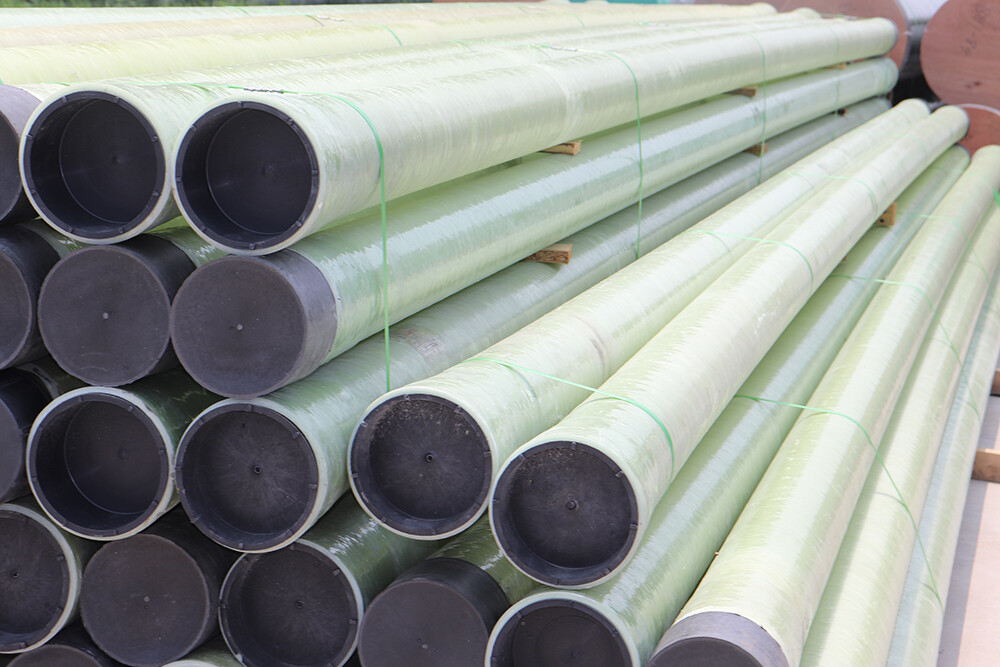
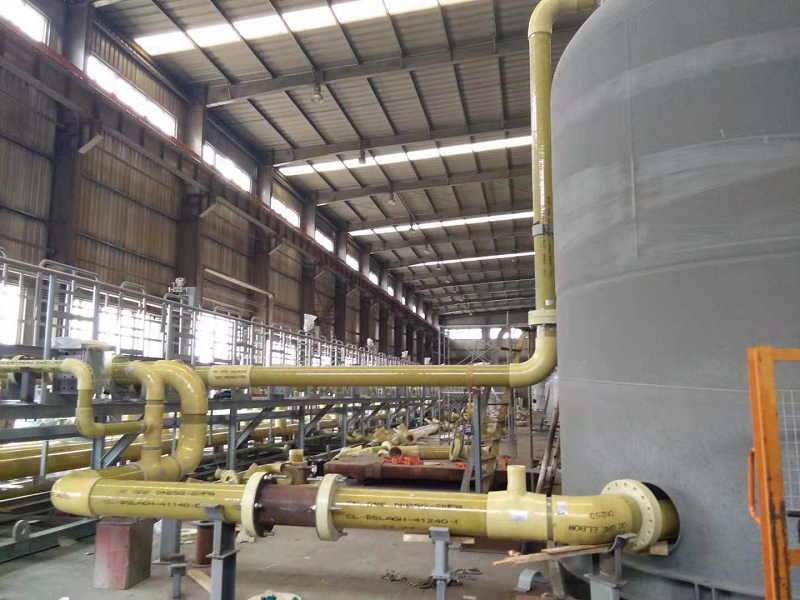
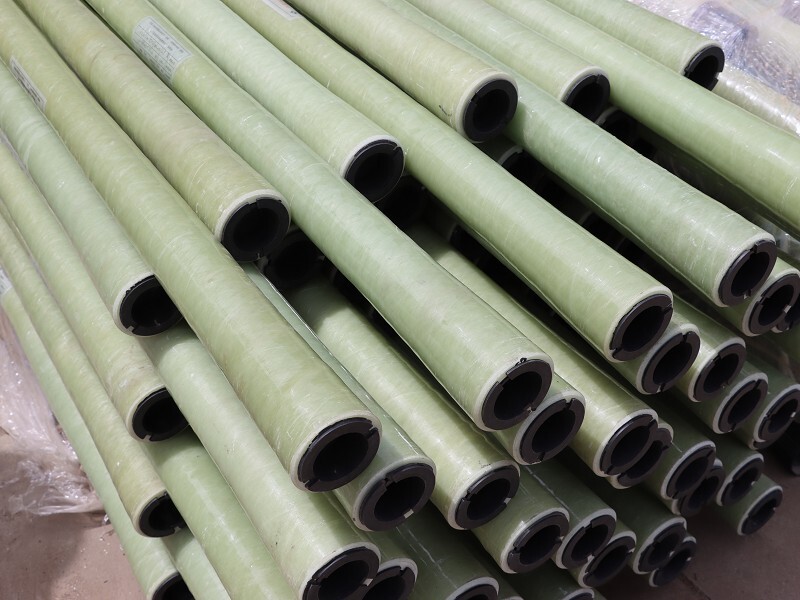
GRE pipes (Glass Reinforced Epoxy) play a significant role in LNG (Liquefied Natural Gas) projects, especially in critical systems like firewater systems and seawater cooling systems. Leveraging their unique material properties, they serve as an ideal alternative to traditional metal pipes.
The table below provides a quick overview of the primary application scenarios and core advantages of GRE pipes in LNG projects:
Process unit cooling systemsWhy GRE Pipes Are Favored in LNG Projects
The application of GRE pipes in high-standard projects like LNG is primarily due to the following key advantages:
Fundamental Advantage: Exceptional Corrosion Resistance
LNG projects, especially receiving terminals, extensively use seawater for firefighting and cooling. Traditional metal pipes face severe electrochemical corrosion and pitting. GRE pipes, with a thermosetting resin matrix, are inherently rust-proof and scale-resistant, easily handling corrosive environments like seawater and chemicals. This significantly reduces lifecycle maintenance costs and the risk of unplanned shutdowns due to leaks.
Lightweight yet High-Strength, Significant Economic Benefits
GRE pipes weigh only one-fourth to one-fifth of comparable carbon steel pipes. This is highly beneficial for the highly modularized topsides of LNG terminals, effectively reducing the weight of upper modules, which is advantageous for structural design and cost control. Furthermore, the smooth inner wall improves hydraulic flow characteristics, potentially reducing energy consumption for fluid transport.
Long-Term Reliability, Low Lifecycle Cost
When properly designed and installed, GRE pipes have a design life exceeding 20 years. Due to their corrosion resistance, they require almost no maintenance throughout their service life and do not need additional protective coatings or cathodic protection, offering a competitive total cost of ownership compared to metal pipes requiring ongoing upkeep.
") How to Choose FRP Pipe(GRE Pipe, GRP Pipe, GRVE Pipe)Learn the key differences between GRE, GRP, and GRVE pipes for industrial applications. Compare mechanical properties, chemical resistance, and ideal usage scenarios.
How to Choose FRP Pipe(GRE Pipe, GRP Pipe, GRVE Pipe)Learn the key differences between GRE, GRP, and GRVE pipes for industrial applications. Compare mechanical properties, chemical resistance, and ideal usage scenarios. Is it worth replacing old steel ballast piping with FRP Pipe on existing ships?Explore whether upgrading steel ballast systems to FRP Pipe for ship ballast piping is a cost‑effective way to reduce corrosion, maintenance, and weight while meeting class standards for safer, longer‑lasting vessels.
 Glass Reinforced Epoxy Pipe GRE Pipe: Efficient Solutions for the Water Treatment IndustryDiscover GRE pipes for water treatment: superior corrosion resistance, lightweight design & long lifespan. Reduce costs & enhance efficiency with glass reinforced epoxy pipes.
 Oil & Gas Sectors- GRE PipeDiscover how GRE pipes solve corrosion challenges in oil & gas fields. Learn about their applications in injection, production, and utility systems with superior hydraulic properties.

Please give us a message
产品介绍产品介绍产品介绍产品介绍产品介绍产品介绍产品介绍产品介绍产品介绍产品介绍产品介绍产品介绍产品介绍产品介绍产品介绍产品介绍产品介绍产品介绍产品介绍产品介绍产品介绍产品介绍产品介绍产品介绍产品介绍产品介绍产品介绍产品介绍产品介绍产品介绍
Please give us a message
产品介绍产品介绍产品介绍产品介绍产品介绍产品介绍产品介绍产品介绍产品介绍产品介绍产品介绍产品介绍产品介绍产品介绍产品介绍产品介绍产品介绍产品介绍产品介绍产品介绍产品介绍产品介绍产品介绍产品介绍产品介绍产品介绍产品介绍产品介绍产品介绍产品介绍
Please give us a message
产品介绍产品介绍产品介绍产品介绍产品介绍产品介绍产品介绍产品介绍产品介绍产品介绍产品介绍产品介绍产品介绍产品介绍产品介绍产品介绍产品介绍产品介绍产品介绍产品介绍产品介绍产品介绍产品介绍产品介绍产品介绍产品介绍产品介绍产品介绍产品介绍产品介绍
Please give us a message
产品介绍产品介绍产品介绍产品介绍产品介绍产品介绍产品介绍产品介绍产品介绍产品介绍产品介绍产品介绍产品介绍产品介绍产品介绍产品介绍产品介绍产品介绍产品介绍产品介绍产品介绍产品介绍产品介绍产品介绍产品介绍产品介绍产品介绍产品介绍产品介绍产品介绍